
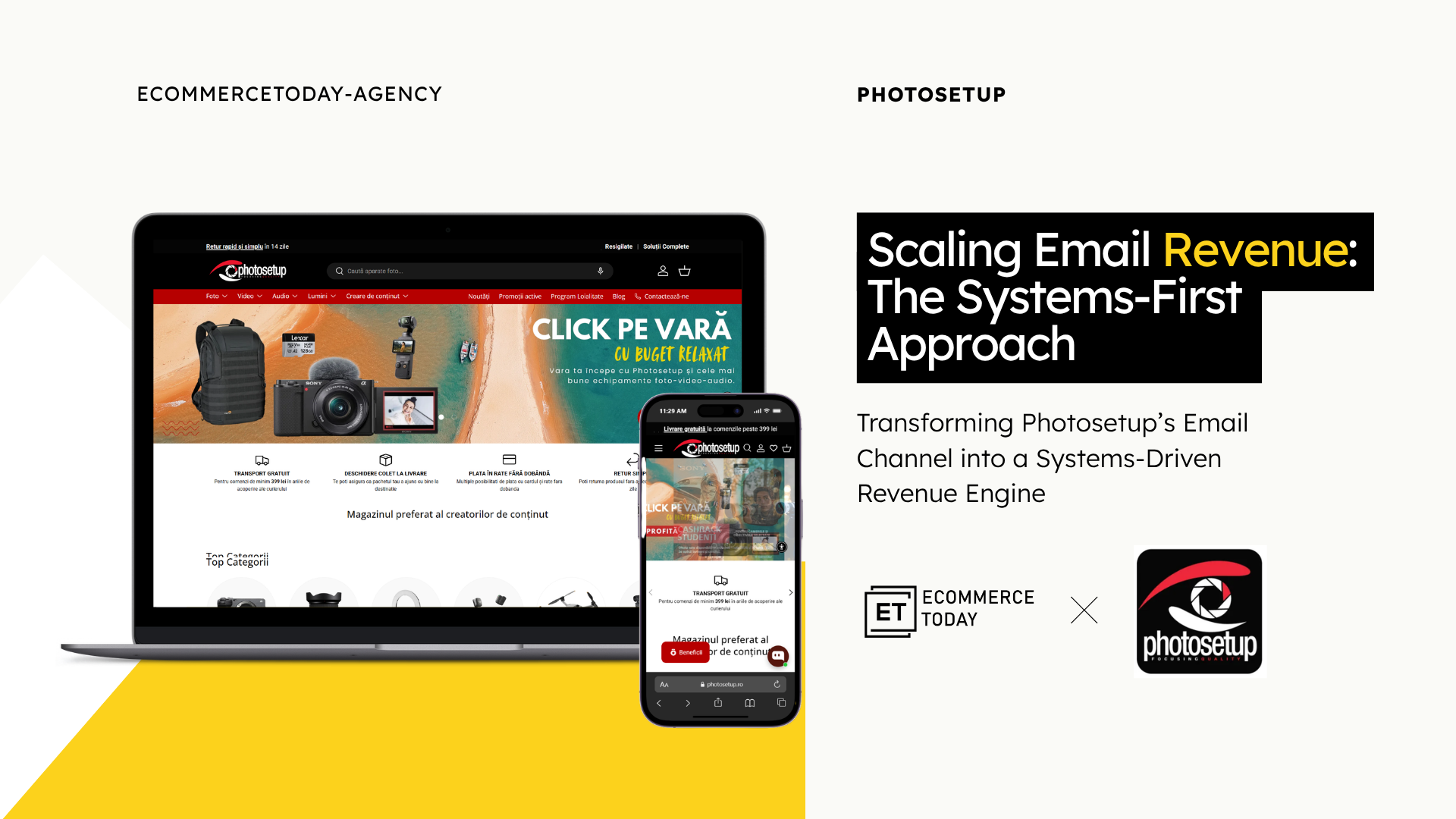
Email marketing works best when it’s treated as a system, not a series of one-off newsletters. Getting casual browsers to become repeat customers takes two things working together: a solid automated lifecycle running in the background, and broadcast campaigns that are actually built to convert.
This case study looks at how we rebuilt Photosetup‘s email channel around that idea – combining full-funnel automations with sharper, more strategic campaigns. The results peaked with a holiday promotion that alone brought in over half the client’s email revenue for the month.
Phase 1: The Foundation – Six Core Automations
Before scaling campaign volume, we needed to capture intent at every stage of the customer journey. We built and optimized six flows to cover that:
- New Subscriber Flow – introduces first-time joiners to the brand and delivers a welcome incentive to drive the first purchase.
- Site Abandonment Flow – re-engages visitors who explored the store but left without viewing specific product pages.
- Browse Abandonment Flow – targets users who viewed specific products, with recommendations based on their exact browsing history.
- Cart Abandonment Flow – reaches shoppers who added items to their cart, addressing common purchase hesitations.
- Checkout Abandonment Flow – recovers high-value orders at the final step with reassurance, payment clarity, or quick support.
- New Customer / Post-Purchase Flow – onboards buyers after the sale with product care tips, delivery expectations, and an invitation to come back.
These six flows became the baseline: always-on, running in the background, independent of whatever campaigns were live that week.
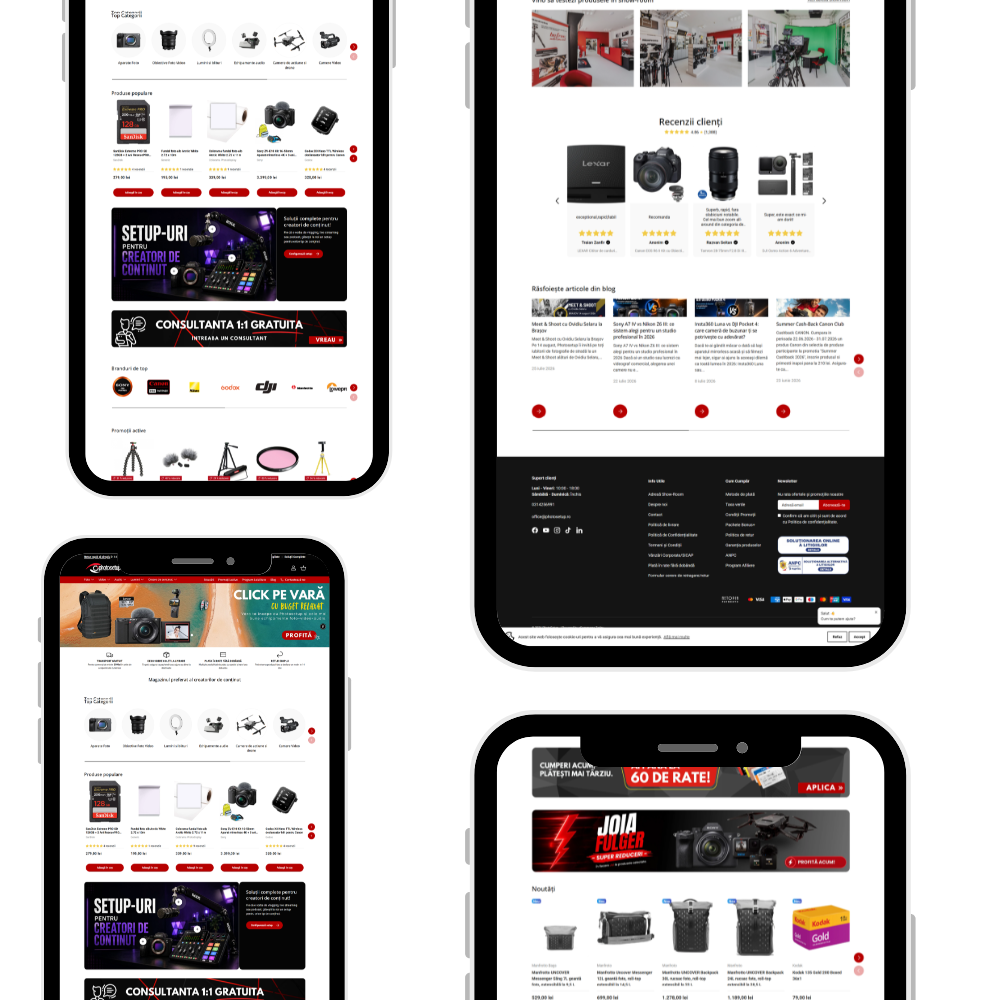
Phase 2: Retention Layer – Loyalty and NPS via theMarketer
With the foundation in place, we shifted focus to retention and lifetime value. We used theMarketer’s built-in loyalty and Net Promoter Score (NPS) tools to add a second layer on top of the core flows:
- Loyalty automations – messages triggered by tier status, reward point accumulation, and redemption reminders, encouraging repeat orders without leaning on discounts.
- NPS automations – post-purchase satisfaction surveys. High scorers were routed toward review requests and referrals; low scores were flagged to customer support for fast follow-up.
Phase 3: High-Impact Commercial Campaigns
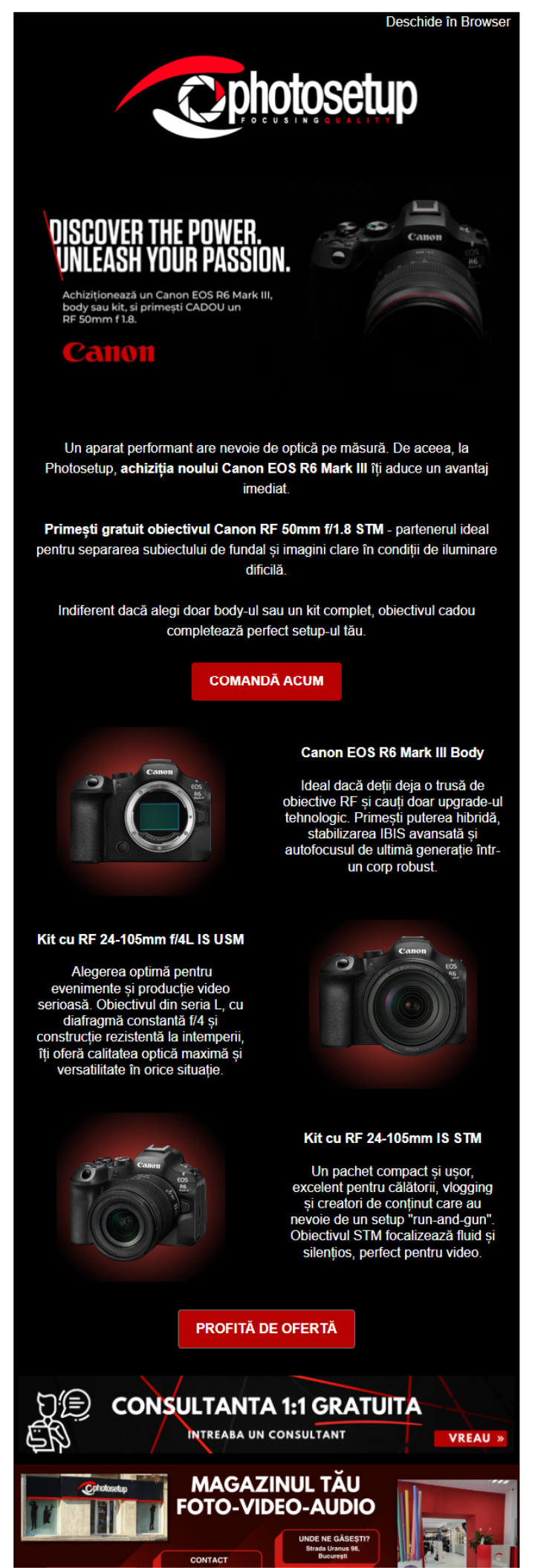
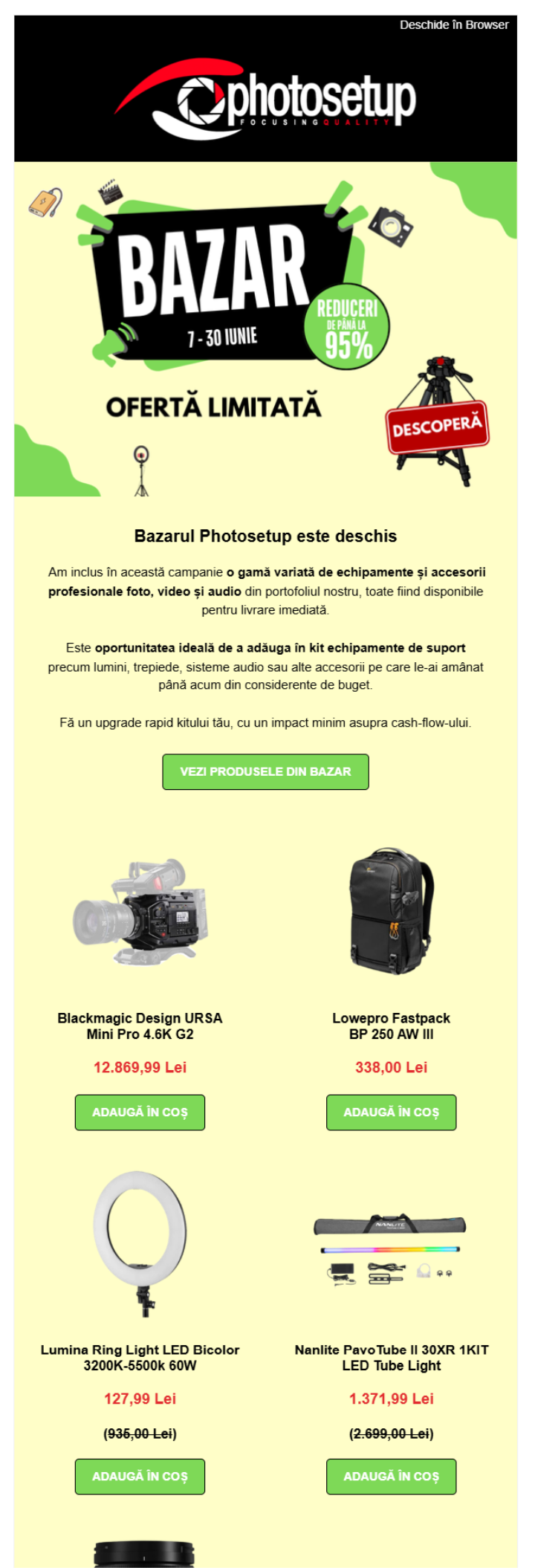
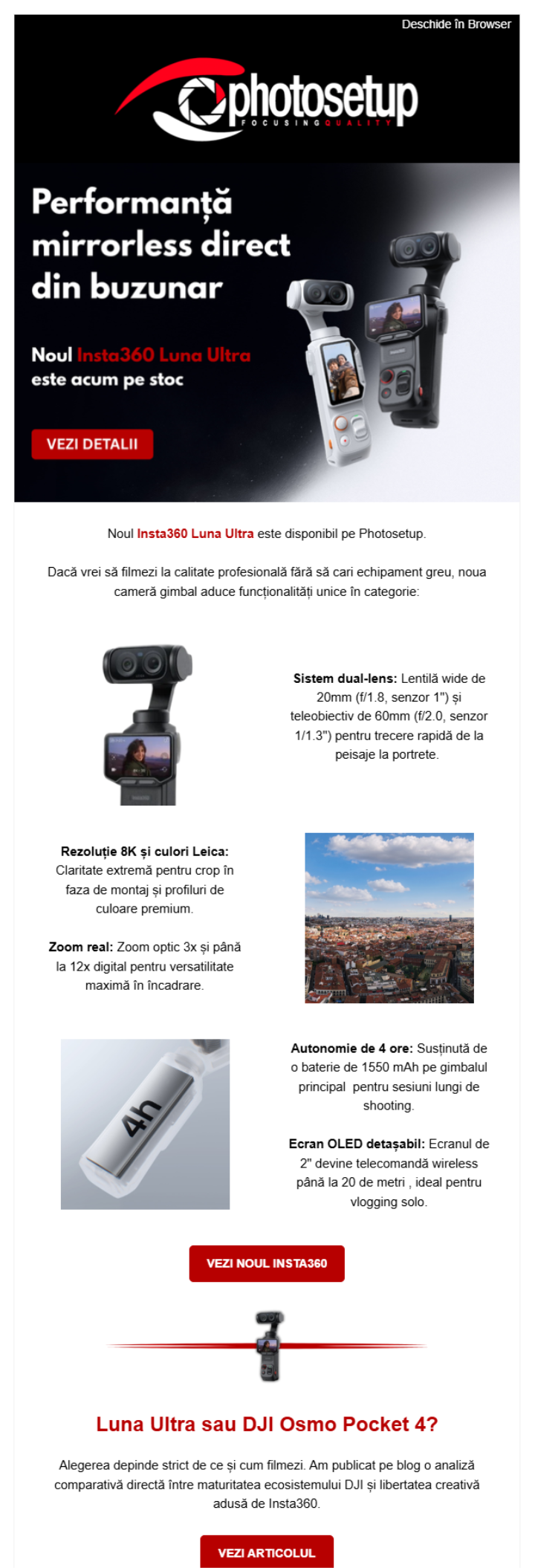
Automations capture intent that’s already there. Campaigns create demand. On top of the flows, we ran a structured campaign calendar built around new product launches across the client’s multi-brand catalog, and promotions matched to subscriber segments.
Spotlight: The “12 Days of Christmas” Campaign
During peak Q4, we ran a daily event across 12 days: a new deal each day, sent by email and mirrored with a matching website popup, so the messaging stayed consistent across channels.
The campaign sent 227,476 emails – 71.63% of the store’s entire December email volume. Normally, that kind of frequency risks fatiguing an audience. Here, the opposite happened:
- Open rate: 34.52%, versus a 31.60% average for the rest of the period
- Click rate: 2.88%, versus a 2.52% average for the rest of the period
Despite making up nearly three-quarters of the month’s send volume, the campaign wasn’t diluting engagement – it was driving it. That volume converted directly into revenue: the 12-day campaign alone accounted for 54.84% of all email-driven revenue in December.
The Takeaway
Six automations gave the client a revenue floor that didn’t depend on anyone actively running a campaign. Loyalty and NPS gave repeat customers a reason to stay repeat customers. And when it came time to push hard for the holidays, that foundation meant the “12 Days of Christmas” campaign wasn’t a one-off stunt – it was a spike built on top of a system that was already working, which is why it could send at high frequency without burning out the list.
Who is Photosetup?
Photosetup is an online photography store with a multi-brand catalog. eCommerce Today rebuilt its email channel, combining always-on automations with a structured campaign calendar.
Which email automations were built for Photosetup?
eCommerce Today built and optimized six core flows for Photosetup: New Subscriber, Site Abandonment, Browse Abandonment, Cart Abandonment, Checkout Abandonment and New Customer (post-purchase). These flows run continuously in the background, independent of any live campaigns.
How does Photosetup use loyalty and NPS emails in theMarketer?
eCommerce Today used theMarketer’s built-in loyalty and Net Promoter Score (NPS) tools to add a retention layer on top of the core flows. Loyalty emails are triggered by tier status, reward points and redemption reminders, encouraging repeat orders without relying on discounts.
What happens after a Photosetup customer answers the NPS survey?
Customers who give high NPS scores are routed toward review requests and referrals. Low scores are flagged to customer support for fast follow-up.
What was the Photosetup 12 Days of Christmas campaign?
The 12 Days of Christmas campaign was a daily Q4 event with a new deal each day for 12 days. Each deal was sent by email and mirrored by a matching website popup, so the messaging stayed consistent across channels.
How did the 12 Days of Christmas campaign perform for Photosetup?
The campaign sent 227,476 emails, 71.63% of Photosetup’s total December email volume. It reached a 34.52% open rate versus a 31.60% average for the rest of the period, and a 2.88% click rate versus a 2.52% average.
How much revenue did the 12 Days of Christmas campaign bring Photosetup?
The 12-day campaign alone accounted for 54.84% of Photosetup’s email-driven revenue in December.
How did Photosetup send at high frequency without fatiguing subscribers?
The holiday campaign was built on top of six always-on automations and a loyalty and NPS layer that were already working. Despite making up nearly three-quarters of December’s send volume, the campaign achieved higher open and click rates than the rest of the period.
What other email campaigns does eCommerce Today run for Photosetup?
Beyond seasonal promotions, eCommerce Today runs a structured campaign calendar for Photosetup built around new product launches across its multi-brand catalog, with promotions matched to specific subscriber segments.