
In the enterprise tech and SMB supply space, the biggest friction point is the “hybrid” struggle. Most brands try to force B2B customers into a B2C interface, resulting in a cluttered UX that serves no one. For this implementation, our goal was to build a dedicated, high-efficiency SMB environment using native Shopify Plus logic, eliminating the need for expensive, brittle third-party apps.
The Strategy: Markets as Audience Segments
The fundamental shift in this setup was repurposing the Shopify Markets tool. While most agencies use Markets for geography, we used it for Customer Type (Company vs. Individual).
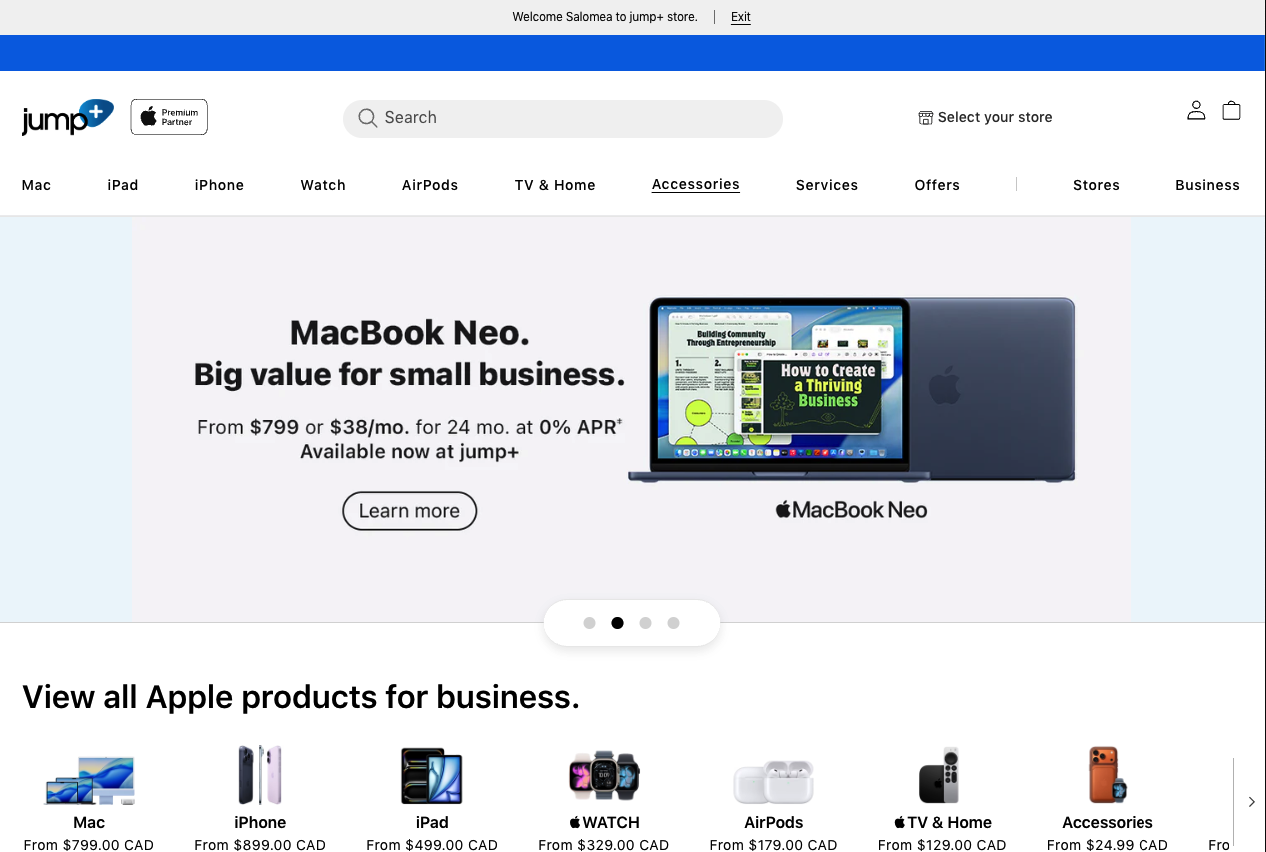
By creating a specific “SMB Market” zone, we segmented the entire store environment. This ensures that when a business user logs in, they don’t just see different prices—they see a completely different version of the brand.
1. Contextual Content Toggling
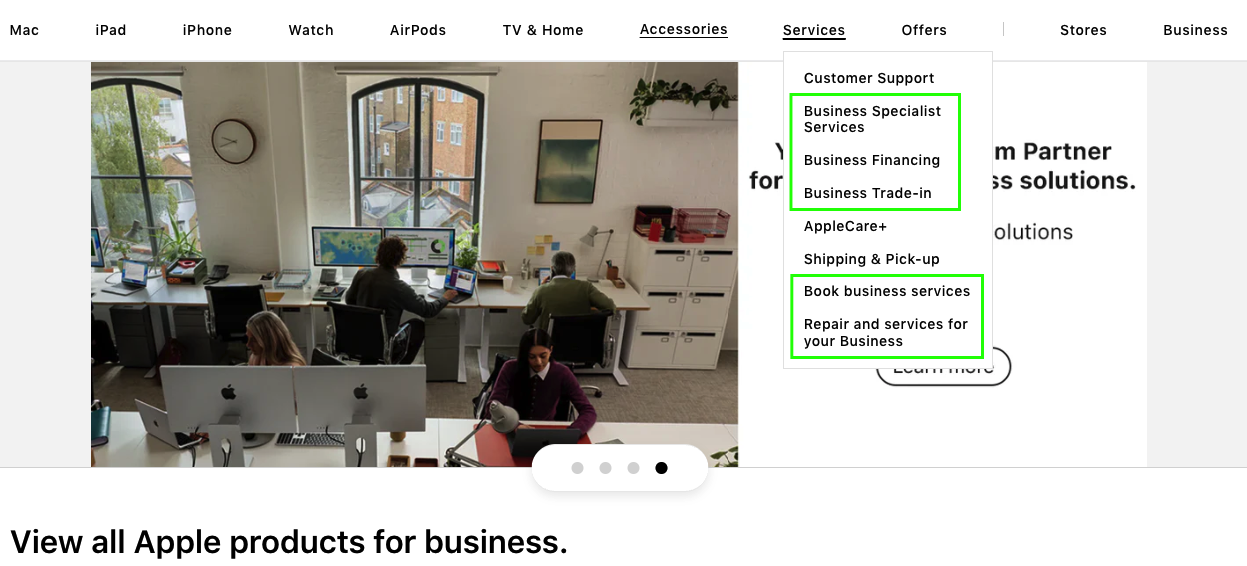
We moved away from “one-size-fits-all” headers and footers. Using the Theme Customizer’s market-specific overrides, we built:
- Dedicated SMB Navigation: Business-focused menus that prioritize bulk ordering and account management over retail discovery.
- Exclusive SMB Homepages: A layout designed for professional efficiency, hidden entirely from the B2C public.
- Section-Level Control: The theme dynamically shows or hides technical specs or bulk-buy modules based on the active SMB segment.
2. Tax Transparency: Dynamic Pricing Logic
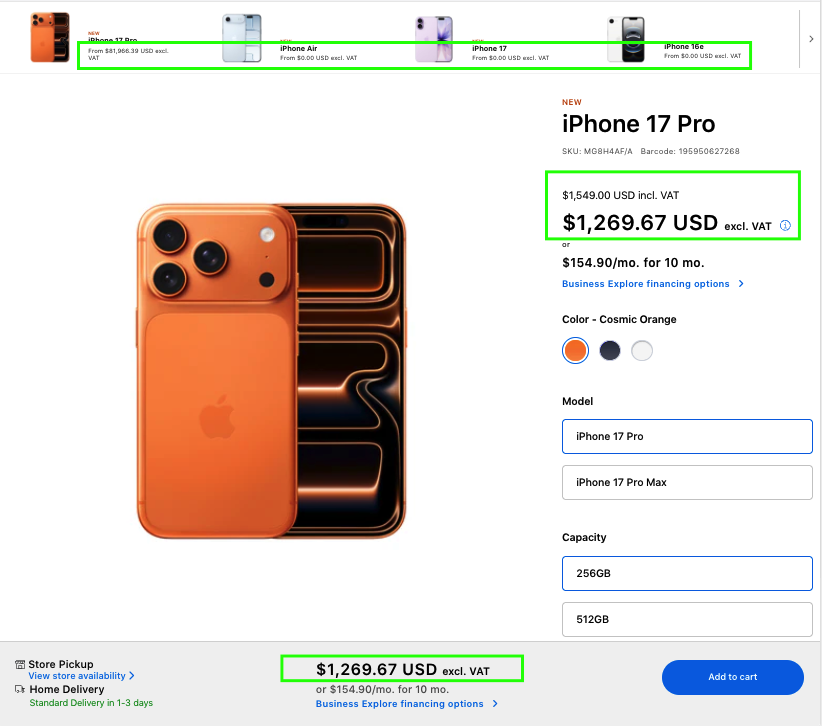
In B2B, price clarity is a matter of operational compliance. We implemented a dynamic VAT toggle within the theme settings. When active for the SMB segment, the “From” prices across the entire site automatically switch to Excl. VAT displays. This alignment with professional purchasing standards removes checkout friction and mirrors the “Pro” experience found in global marketplaces.
3. The Controlled Lifecycle: Vetting & Onboarding
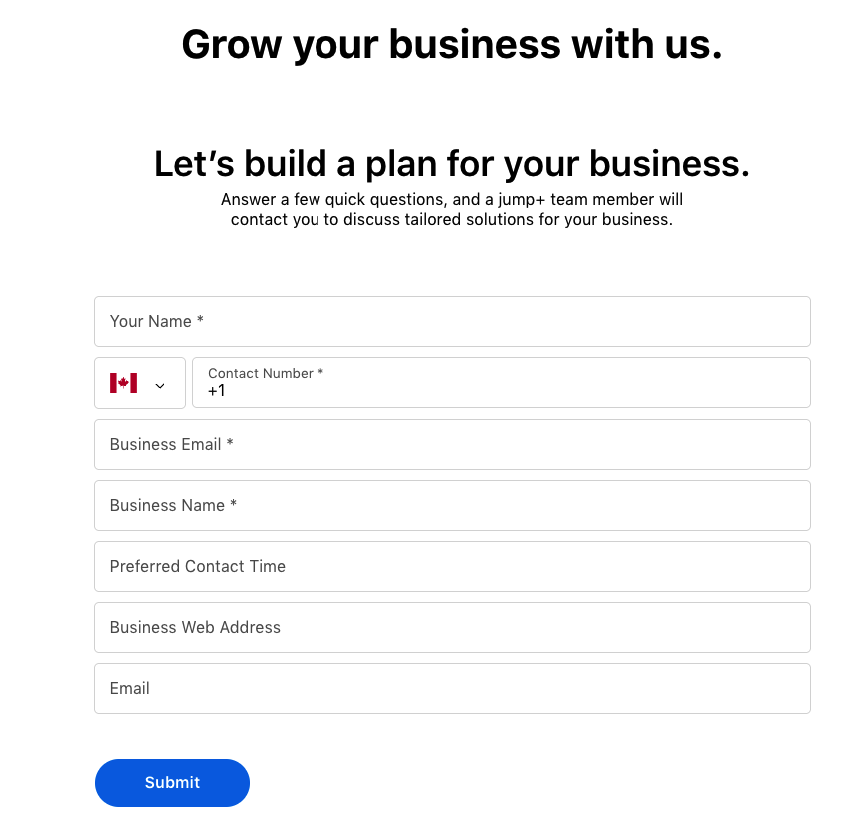
To maintain the integrity of the business segment, we implemented an automated but controlled approval workflow.
- Gatekeeping: All new SMB registrations are placed in a “Pending” status natively.
- The Approval Loop: Once the internal team validates the business credentials, a single click triggers a secure, branded activation invite.
- The Welcome Experience: We customized the notification layer to provide a “Portal” feel, ensuring the customer knows they have graduated from a retail user to a business partner.
4. Operational Efficiency: Native B2B BOPIS
For SMBs, time is a cost. We enabled native Buy Online, Pick Up In Store (BOPIS) specifically for the B2B flow. By syncing inventory to specific physical locations and bypassing the need for custom checkout extensions, we provided a “Pro” pickup lane. Business owners can secure their gear online and collect it within hours, supported by native Shopify logic that handles the inventory allocation automatically.
The eCommerce Today Perspective
Most agencies solve B2B problems by layering apps until the site slows down. We solve them by mastering the native architecture of Shopify Plus.
As your Fractional eCommerce Department, we don’t just deliver a “store.” We deliver a “Growth System” that scales. Whether you are selling tech hardware in the US or industrial supplies in Europe, we build environments that respect the professional buyer’s time and your team’s operational bandwidth.
Frequently Asked Questions
1. How can I differentiate the shopping experience for B2B and B2C users without building two separate stores?
The most effective strategy is to repurpose Shopify Markets to segment by customer type (Company vs. Individual) rather than just geography. By creating a specific “SMB Market” zone, you can ensure that when a business user logs in, they see a completely different version of the brand tailored to their professional needs.
2. What is "Contextual Content Toggling" and how does it improve the B2B user experience?
Contextual content toggling uses theme overrides to show or hide specific site elements based on the user’s segment. This allows for Dedicated SMB Navigation that prioritizes bulk ordering and account management, as well as Exclusive SMB Homepages designed for professional efficiency that remain hidden from the general public.
3. How should tax and pricing be handled to meet professional purchasing standards?
For B2B segments, transparency is key for operational compliance. A dynamic VAT toggle should be implemented within the theme settings so that “From” prices automatically switch to Excl. VAT displays for business users. This alignment with professional standards removes friction during the checkout process.
4. What is the best way to manage the onboarding and vetting of new business customers?
To maintain segment integrity, implement an automated but controlled approval workflow. New registrations should be placed in a “Pending” status natively until internal teams validate their credentials. Once approved, a single click triggers a secure activation invite, transitioning the user from a retail customer to a verified business partner.
5. Can B2B customers use "Buy Online, Pick Up In Store" (BOPIS) functionality?
Yes, by using native Shopify logic, you can enable a “Pro” pickup lane specifically for the B2B flow. This allows business owners to secure equipment online and collect it within hours by syncing inventory to specific physical locations, all without the need for custom checkout extensions.